
The Hidden Profit Center: Mastering E-commerce Returns Management
Returns happen. For many online retailers, they are the silent drain on revenue that nobody wants to talk about. You spend weeks perfecting your product pages, optimizing your checkout flow, and driving traffic, only to see a significant chunk of those sales come right back through the door. But what if you stopped viewing returns as a failure and started seeing them as an opportunity?
Effective e-commerce returns management isn’t just about damage control; it is a critical component of customer loyalty and operational efficiency. When handled correctly, your returns process boosts customer confidence and drives repeat purchases.
For further insights on how returns impact profitability, review this in-depth report by McKinsey on e-commerce returns.
In this guide, we will dive deep into the strategies that transform reverse logistics from a logistical nightmare into a competitive advantage. We will explore the latest trends, the hidden costs you might be ignoring, and actionable steps to optimize your workflow.
Why E-commerce Returns Management Matters Now More Than Ever
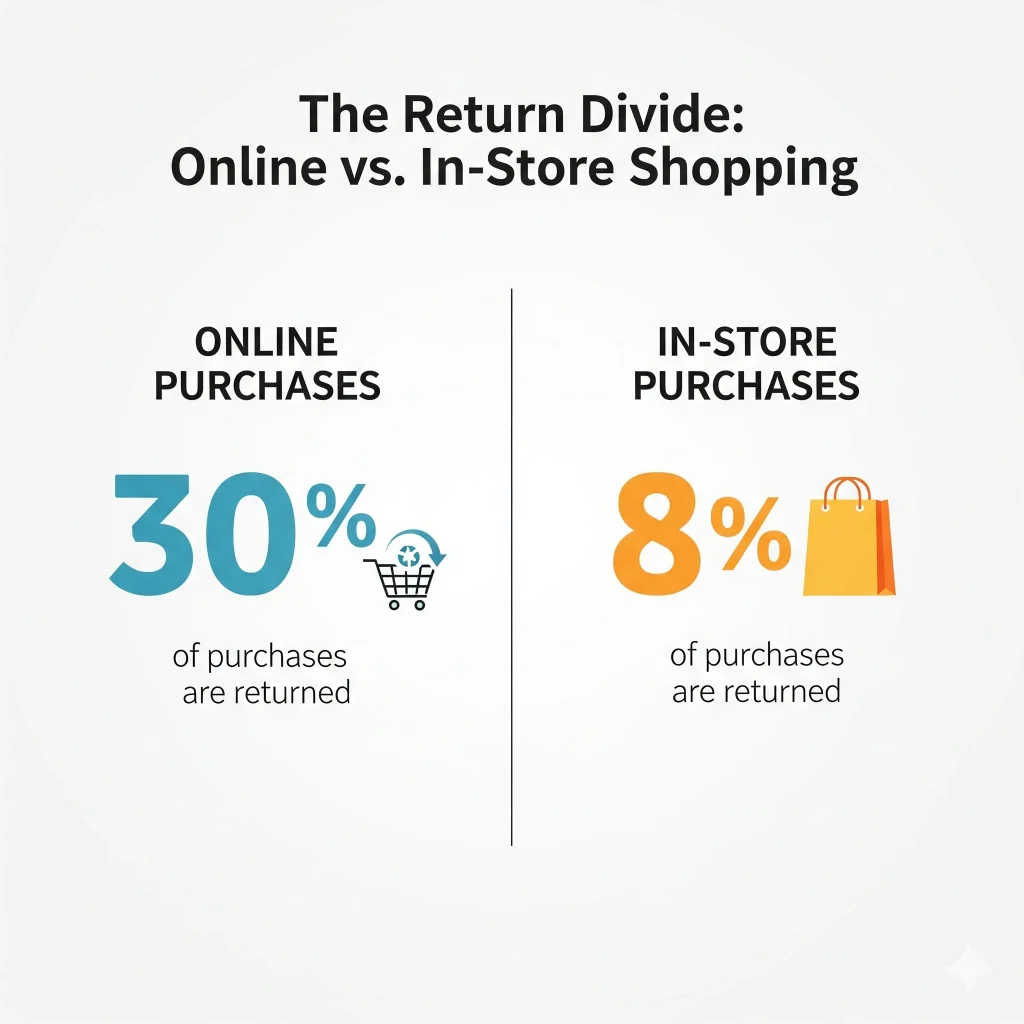
The landscape of online shopping has shifted dramatically. Customers no longer just hope for a good returns policy; they demand it. Studies consistently show that a significant majority of shoppers review a return policy before making a purchase. If the process looks complicated or expensive, they abandon their cart.
Learn about changing consumer expectations in this National Retail Federation study on return policies.
The True Cost of Inefficiency
When we talk about returns, we often focus on the lost sale. However, the financial impact goes much deeper. Poor e-commerce returns management leads to:
- Increased Logistics Costs: Shipping items back, restocking fees, and warehouse labor add up quickly.
- Inventory Stagnation: Items sitting in a “to be processed” pile are items that aren’t being sold. Seasonal goods lose value every day they spend in limbo.
- Customer Churn: A frustrating return experience is one of the fastest ways to lose a customer for life.
By streamlining these processes, you protect your margins. A robust system ensures that viable products get back on the “virtual shelf” faster, minimizing the time inventory remains idle.
The Core Pillars of a Successful Returns Strategy
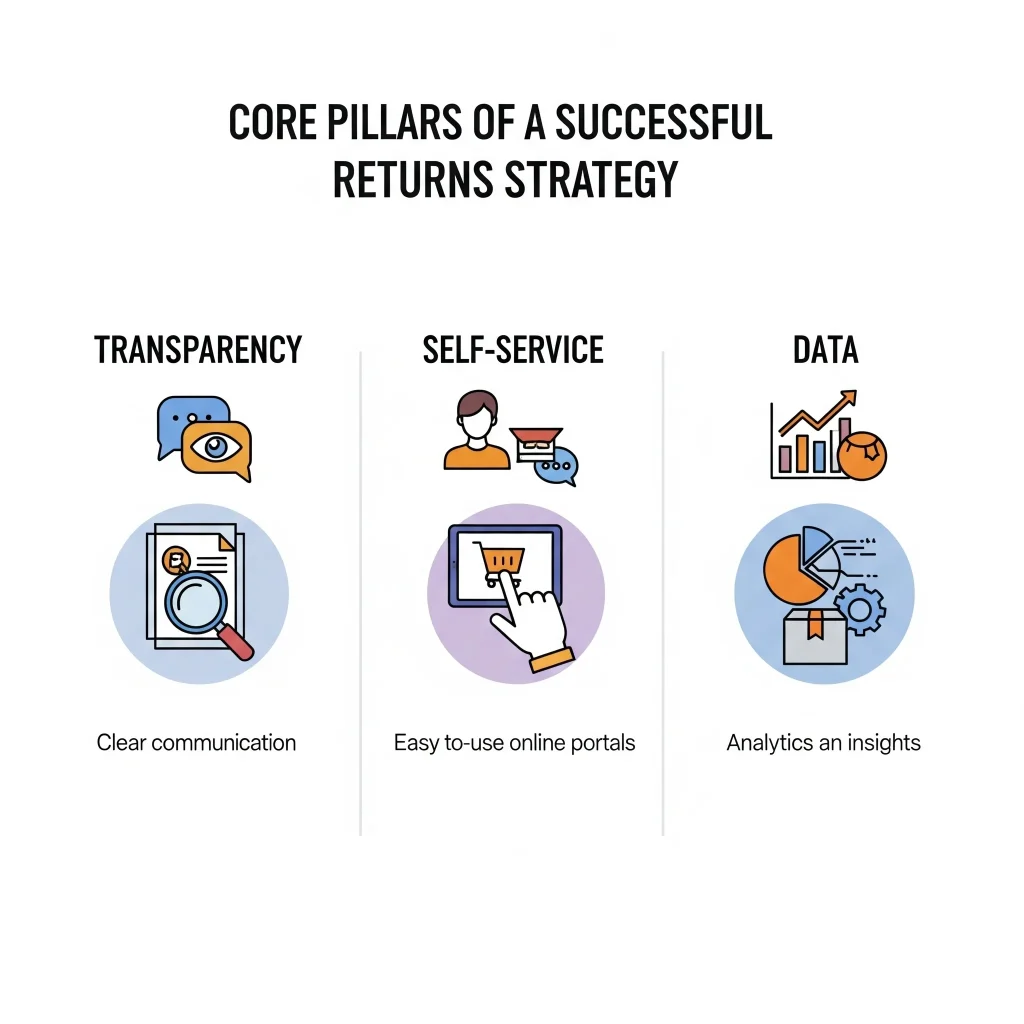
Building a better system requires a holistic approach. You cannot simply slap a return label in the box and hope for the best. You need a strategy that addresses the “why,” “how,” and “what next” of every return.
1. Transparency and Communication
The anxiety of a return often stems from a lack of information. “Did they get my package?” “When will I get my refund?” “Is my exchange being processed?”
Effective e-commerce returns management answers these questions before the customer even asks them. Automated email notifications at every stage—return initiated, package received, refund approved—build trust. When customers feel informed, they feel valued. This transparency turns a potentially negative interaction into a positive touchpoint where your brand reliability shines.
For customer experience benchmarks, see Shopify’s guide to building trust in e-commerce returns.
2. The Self-Service Portal
Modern shoppers prefer autonomy. Forcing customers to email support or call a hotline to get a Return Merchandise Authorization (RMA) is a friction point that hurts your brand. A self-service returns portal allows customers to initiate returns on their own time, print labels instantly, and choose between a refund or store credit.
This benefits you as much as it benefits them. It reduces the workload on your customer support team, freeing them up to handle complex queries rather than administrative tasks.
3. Data-Driven Decision Making
Every return tells a story. Why did the customer send it back? Was the size chart misleading? Did the product arrive damaged? Is the color different in person than on the screen?
If you aren’t capturing this data, you are flying blind. Advanced e-commerce returns management systems categorize reasons for returns, allowing you to spot trends. If 40% of returns on a specific sweater are due to “sizing runs small,” you know you need to update the product description. This feedback loop is essential for reducing future return rates.
Read about data-driven returns management at BigCommerce’s resource center.
Strategies to Reduce Return Rates Before They Happen
The best return is the one that never happens. While you can’t eliminate returns entirely, you can significantly reduce their frequency by setting accurate expectations.
High-Fidelity Product Representation
The gap between expectation and reality is the primary driver of e-commerce customer returns management issues.
- 360-Degree Photos: Let customers see the product from every angle.
- Video Content: Videos show how fabric moves or how a gadget functions in real-time.
- User-Generated Content: Photos from real customers give shoppers a realistic idea of how items look on different body types or in different settings.
Get inspiration from AI and imagery-led return reduction strategy.
Detailed Sizing Guides
“Medium” means different things to different brands. Providing specific measurements for every garment—and instructions on how to measure oneself—can drastically cut down on sizing-related returns. Tools that recommend sizes based on previous purchases or similar brands are becoming the industry standard.
Proactive Customer Support
Live chat options on product pages allow customers to ask questions before they buy. A quick clarification about material or compatibility can save a sale from becoming a return statistic.
For actionable tips, read Gartner’s best practices for customer service in e-commerce.
Optimizing the Reverse Logistics Flow
Once a return is initiated, the clock starts ticking. The speed and efficiency of your reverse logistics determine how much value you can recover from returned inventory.
Grading and Triage
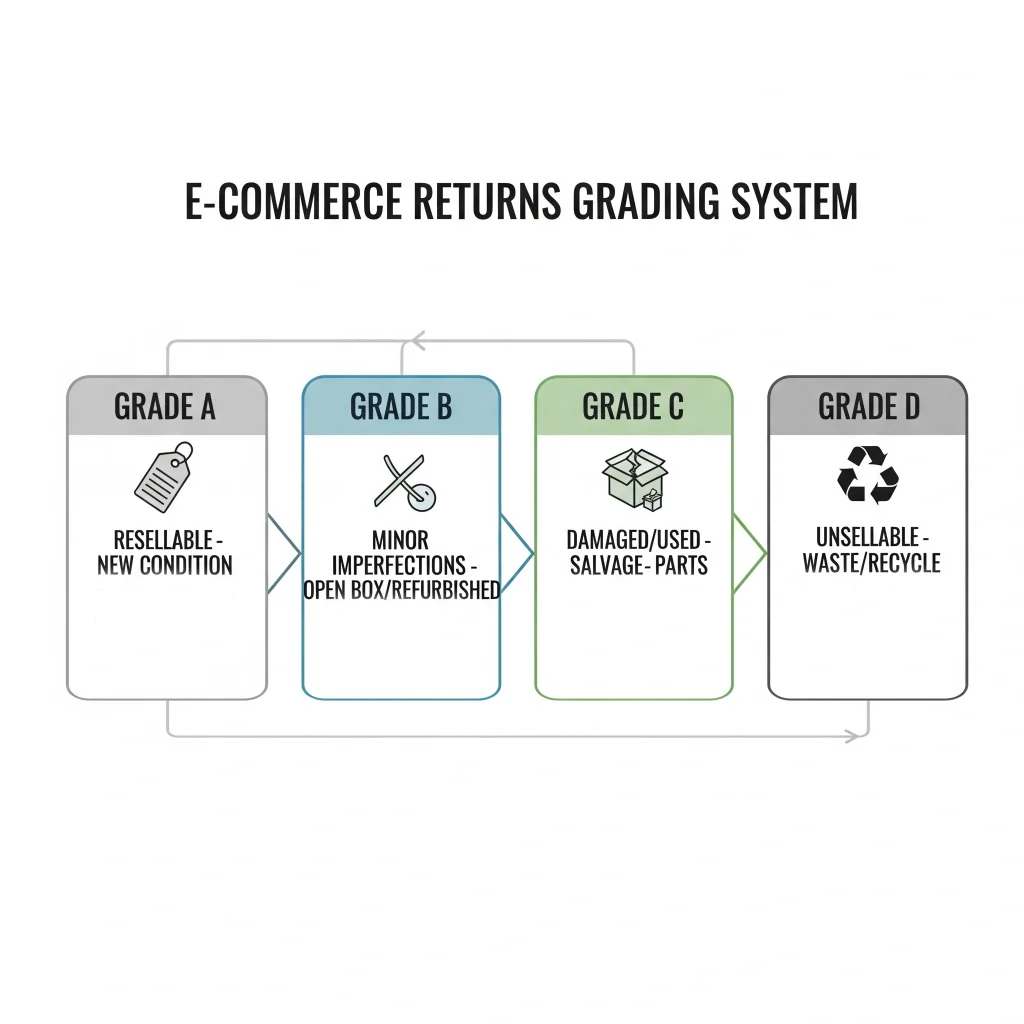
Not all returns are created equal. Some are pristine and can be resold immediately. Others are damaged, opened, or missing parts. Your warehouse team needs clear protocols for grading returned items:
- Grade A: Resell as new.
- Grade B: Open box, minor cosmetic issues (sell at discount).
- Grade C: Refurbish or repair required.
- Grade D: Recycle or dispose.
Fast triage prevents bottlenecks. If e-commerce returns management processes are slow, perfectly good inventory might miss its selling window, especially for fashion or tech items.
Automated Restocking
For Grade A items, the goal is immediate reintegration into inventory. Your inventory management system should update in real-time as soon as a return is processed. This ensures that the item becomes visible to potential buyers on your website instantly, maximizing the chance of a resale.
Sustainable Disposal
Sustainability is a growing concern for consumers. What happens to the items that can’t be resold? Sending them to a landfill is a PR disaster waiting to happen. Partnering with recycling programs or donation centers for unsellable goods is a responsible approach that also resonates with eco-conscious shoppers.
Learn more from Trellis’s report on sustainable e-commerce returns.
The Role of Technology in Modern Returns
Managing returns manually using spreadsheets is a recipe for disaster as you scale. Dedicated software solutions are transforming e-commerce return management by automating the heavy lifting.
Integration is Key
Your returns software must talk to your other systems. It needs to integrate with your:
- E-commerce Platform: To verify order details and eligibility.
- WMS (Warehouse Management System): To update stock levels.
- Customer Support Desk: So agents can see the return status.
- Shipping Carriers: To generate labels and track packages.
When these systems work in harmony, the entire process flows smoothly without manual data entry, reducing human error.
AI and Predictive Analytics
Artificial Intelligence is starting to play a huge role. AI can analyze a customer’s return history to identify “serial returners” or fraudulent behavior. It can also predict return volumes based on historical data, helping you staff your warehouse appropriately during peak seasons like January (post-holiday).
For emerging trends, read Forbes’ analysis on AI and the future of returns.
Turning Returns into Exchanges
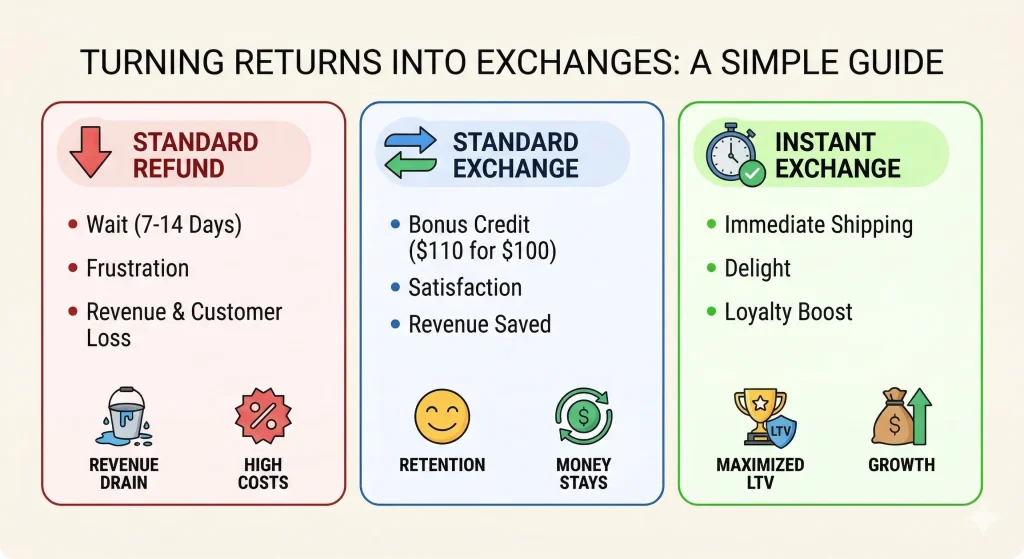
A refund is a loss of revenue. An exchange saves the sale. One of the most powerful tactics in e-commerce returns management is incentivizing exchanges over cash refunds.
“Shop Now” Features
Advanced return portals allow customers to shop for a replacement item right within the return flow. Instead of waiting for a refund to hit their bank account, they can use their credit instantly to pick a different size, color, or an entirely new product.
Bonus Credit
Offer a financial incentive. For example, if a customer is returning a $100 item, offer them $100 in cash or $110 in store credit. Many customers will choose the higher value, keeping the money within your ecosystem and potentially increasing the lifetime value of that customer.
Instant Exchanges
Traditionally, a customer has to mail back the old item, wait for it to be received, and then wait for the new item to ship. “Instant Exchange” features ship the new item immediately, placing a temporary hold on the customer’s credit card until the return is received. This instant gratification significantly improves customer satisfaction.
Navigating International Returns
Cross-border commerce offers huge growth potential, but it complicates returns. Dealing with customs, duties, and long shipping times can be a headache.
Localized Return Hubs
To combat high international shipping costs, many brands use consolidation hubs. Instead of shipping a return from France back to a warehouse in the US, the customer ships it to a local French hub. These items are then bulk-shipped back or resold within that region.
Clear Duty Policies
Who pays for the return shipping and duties? This must be explicitly clear in your policy. Ambiguity here leads to chargebacks and angry reviews. Transparency is vital for maintaining trust with international buyers.
Get guidance from the International Trade Administration’s guide on global e-commerce returns.
Fraud Prevention in Returns
Unfortunately, returns fraud is a reality. From “wardrobing” (wearing an item once and returning it) to returning empty boxes, retailers lose billions annually to abuse.
Identifying Patterns
Robust e-commerce returns management software can flag suspicious accounts. If a user returns 90% of what they buy, or consistently claims items never arrived, the system can flag them for manual review.
Policy Enforcement
While you want to be lenient with good customers, you must be firm with abusers. Your terms of service should reserve the right to refuse service to customers with excessive return histories. This protects your bottom line without punishing honest shoppers.
For more details, see Returns Reality Check: The Return of the Goods Report.
Future Trends in Returns Management
The industry is constantly evolving. Staying ahead of the curve ensures you remain competitive.
Printer-Free Returns
Convenience is king. QR codes that can be scanned at drop-off locations (like post offices or courier stores) eliminate the need for customers to own a printer. The carrier scans the code and prints the label for them. This removes a major friction point.
Home Pickup
Premium loyalty programs often include home pickup for returns. The courier comes to the customer’s door to collect the package. This level of service is a significant differentiator for luxury brands.
The Rise of Re-commerce
Some brands are launching dedicated “pre-loved” sections on their websites. Returned items that can’t be sold as new are cleaned, repaired, and sold on the same platform at a discount. This creates a circular economy and appeals to bargain hunters.
Selecting the Right Partner
Implementing these strategies often requires outside expertise. Trying to build a proprietary returns system from scratch is resource-intensive. Partnering with specialized technology providers allows you to deploy enterprise-grade solutions quickly.
Vista Systech Limited understands that technology is the backbone of modern retail operations. Whether it is integrating complex APIs or optimizing warehouse data flows, having the right technical foundation is essential for executing a sophisticated returns strategy.
When choosing a solution or partner, look for scalability. The system that works for 100 returns a month might break under the pressure of 10,000. Ensure your tech stack can grow with you.
Measuring Success: Key Metrics to Watch
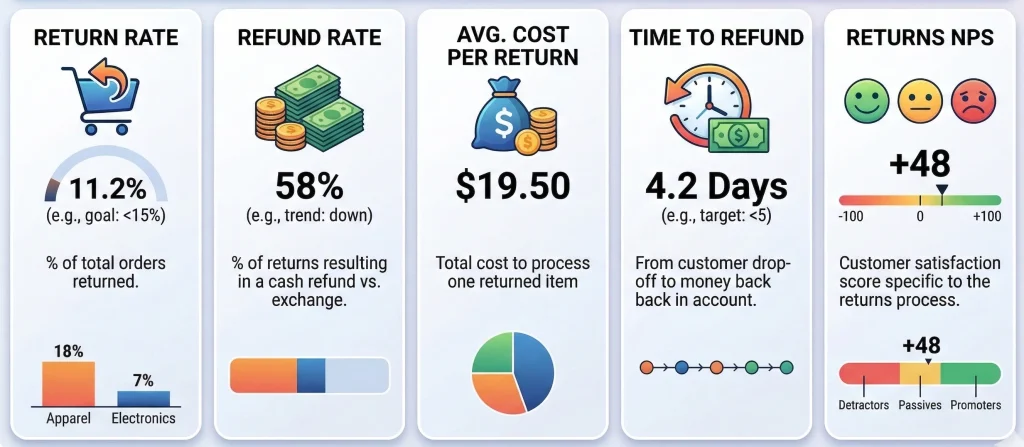
You can’t improve what you don’t measure. To gauge the health of your e-commerce returns management, keep a close eye on these KPIs:
- Return Rate: The percentage of orders returned. Monitor this by product category and time of year.
- Refund Rate: The percentage of returns that result in a cash refund versus an exchange or store credit. Aim to lower this.
- Average Cost per Return: Calculate shipping, labor, and restocking costs.
- Time to Refund: How long does it take from the customer dropping off the package to getting their money back? Speed here drives loyalty.
- NPS (Net Promoter Score) of Returns: Survey customers specifically about their return experience.
For industry benchmarks, visit Statista’s data on retail returns.
Conclusion: Returns as a Relationship Builder
It is time to change the narrative around returns. They are not just a cost center; they are a critical point of contact in the customer journey. A smooth, transparent, and fair return process proves to your customer that you stand behind your products and value their satisfaction.
By leveraging data, embracing automation, and prioritizing the customer experience, you can turn a moment of potential disappointment into a demonstration of excellence. Effective e-commerce returns management is the safety net that gives customers the confidence to buy, knowing that if things don’t work out, you have their back.
Start auditing your current process today. Look for friction points. Listen to your customer service team. Analyze your data. The investments you make in optimizing your returns workflow will pay dividends in customer loyalty and operational savings for years to come.
Have a project like this?
We help teams turn ideas like the one above into shipped, dependable software. Let’s talk.
Start a project